
100 Years of Matrimonial Announcements: The Transformation of Wedding …
페이지 정보
작성자 Geraldine 작성일23-11-20 23:48 조회49회 댓글0건관련링크
본문
Wedding invitations, much like other forms of art, experience significant changes as they mirror the shifting societal norms. Over the past century, these ceremonial cards have evolved profoundly, capturing the essence of each era.
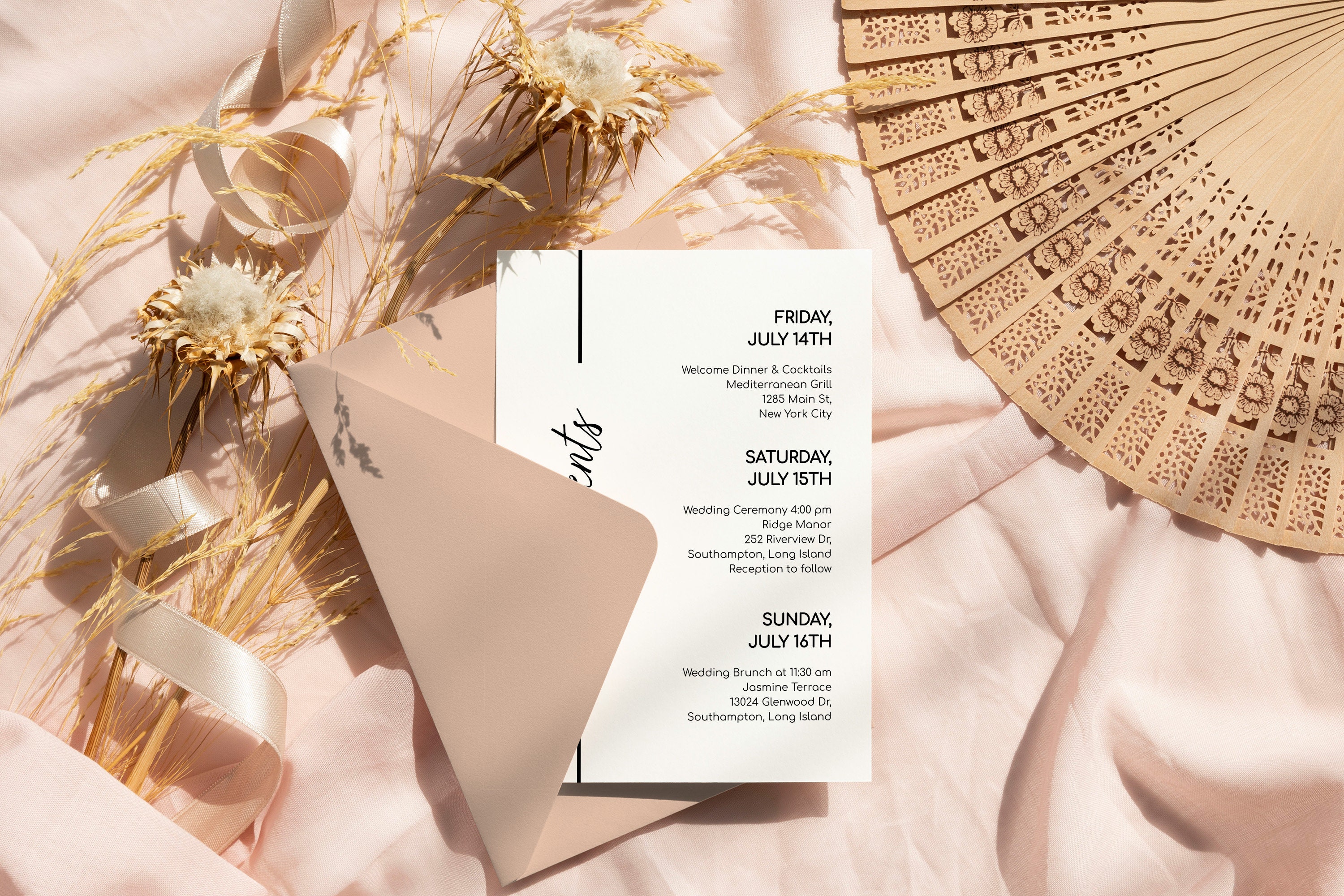 The early 1900s brought about wedding invitations that embodied the formality of the era. Crafted with thick cardstock and embellished with ornate calligraphy, these invites were usually black and white, emphasizing their ceremonious nature.
The dynamic 1920s, with its art deco style, introduced a splash of color and distinctive designs. Wedding invitations of this era often featured geometric patterns and bold hues, capturing the energy of the decade.
The 1950s period experienced a return to traditional designs, however with a fresh twist. Invitations incorporated subtle pastel colors and floral motifs, mirroring the optimism and family focus of the era.
The 1980s and 1990s witnessed the advent of custom designs. With growing access to craft tools, many couples decided to craft their own distinctive invitations. This period saw a blend of classic designs with contemporary elements.
With the advent of the 21st century, the digital revolution transformed the landscape of wedding invitations. E-vites became a favored choice, offering convenience and dynamic features like online RSVPs and built-in maps. Additionally, the focus on sustainability led to a rise in digital invitations.
To sum up, the past century has observed a remarkable evolution in wedding invitation design. From the traditional cards of the dawn of the 20th century to the contemporary digital invites of today, each decade has marked its unique stamp, showing the spirit of the times.
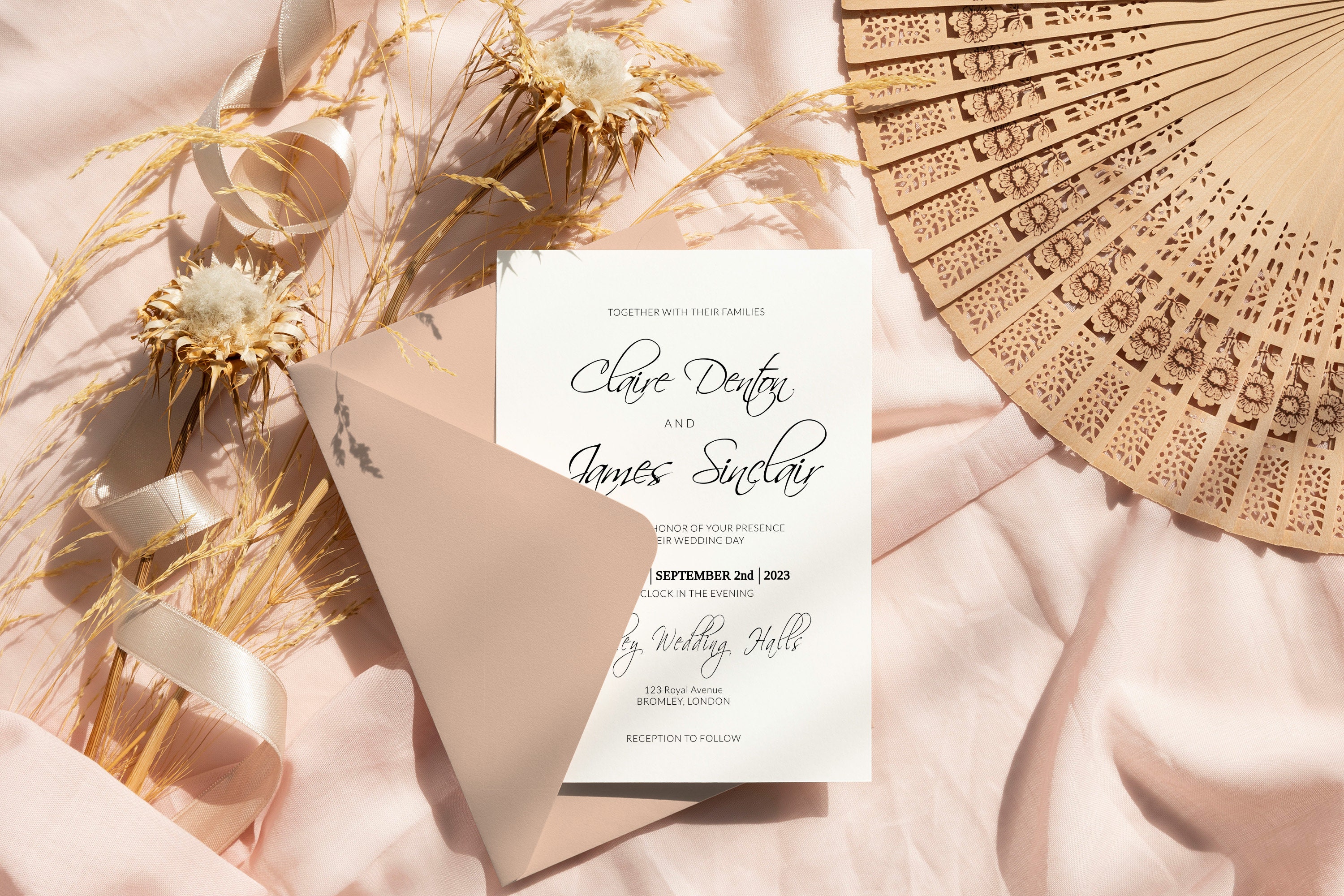 If you beloved this short article and you would like to acquire a lot more information pertaining to Catholic Wedding Program kindly check out our own web site.
The early 1900s brought about wedding invitations that embodied the formality of the era. Crafted with thick cardstock and embellished with ornate calligraphy, these invites were usually black and white, emphasizing their ceremonious nature.The dynamic 1920s, with its art deco style, introduced a splash of color and distinctive designs. Wedding invitations of this era often featured geometric patterns and bold hues, capturing the energy of the decade.
The 1950s period experienced a return to traditional designs, however with a fresh twist. Invitations incorporated subtle pastel colors and floral motifs, mirroring the optimism and family focus of the era.
The 1980s and 1990s witnessed the advent of custom designs. With growing access to craft tools, many couples decided to craft their own distinctive invitations. This period saw a blend of classic designs with contemporary elements.
With the advent of the 21st century, the digital revolution transformed the landscape of wedding invitations. E-vites became a favored choice, offering convenience and dynamic features like online RSVPs and built-in maps. Additionally, the focus on sustainability led to a rise in digital invitations.
To sum up, the past century has observed a remarkable evolution in wedding invitation design. From the traditional cards of the dawn of the 20th century to the contemporary digital invites of today, each decade has marked its unique stamp, showing the spirit of the times.
If you beloved this short article and you would like to acquire a lot more information pertaining to Catholic Wedding Program kindly check out our own web site.댓글목록
등록된 댓글이 없습니다.