
Nine Things That Your Parent Taught You About Robot Vacuum With Self E…
페이지 정보
작성자 Virgie 작성일24-05-03 10:56 조회33회 댓글0건관련링크
본문
A Robot Vacuum With a Self-Empting Base Adds Value
Self-emptying vacuum bases are an excellent accessory to your robot vacuum. It's more hands-free which is especially valuable for those with allergies because touching dirt and pet hair is not a good idea.
It also means that you don't have to empty your bladder and can save you a lot of time. However, it does have its disadvantages.
1. Easy to empty
Many robot vacuum with self empty base vacuums come with dustbins attached to them that must be manually empty after each cleaning cycle. Many people don't mind, however those with allergies or who simply do not have time to do it will appreciate the auto-emptying base. These modern versions of robots are paired with special docking stations that independently clean and empty the debris in their storage bags.
They are less likely to release fine particles of dust into the air. You don't need to be concerned about dust getting on your hands. They're also designed to be more durable and robust with a huge capacity to hold a lot of dirt and debris between emptyings.
The downside of a robot that has a self-emptying base is that it tends to cost more than the ones that do not have one. The price has risen because more manufacturers have this feature, but it's still a significant expense to the total cost. Before making a decision on whether the added feature is worth the cost, it's crucial that you weigh the pros and cons.
It all comes down to what the individual wants and needs. If you suffer from allergies or simply want to reduce time, a vacuum that self-empties its base is well worth the investment. If you're on a strict budget or do not have a lot of space in your home, you might want to choose one that does not have this feature. In that scenario an ordinary robot vacuum is sufficient for most homes. This is particularly helpful in areas that have a lot of messes, such as kitchen floors, as food particles will eventually fall.
2. Less effort on your front
Robot vacuums do an excellent job of cleaning small dust messes and debris from the home. However, the dust bins that are attached to them tend to have small capacities and need to be emptied after every cleaning run. This can become a bit of a chore when used regularly. A self-emptying base for your robot vacuum is a fantastic addition. This feature lets you skip the dustbin and connect the robot directly to a large storage container that it will automatically empty and clean when it is full. This can save you time and effort. It also prevents clogs in the dustbin that can make your robot smell and lose suction.
Self-emptying functions can be beneficial if you own pets or children at home that could reintroduce dirt and crumbs back into the home. It could also be helpful if you have individuals at home with allergies that can be caused by dust or pet hair reintroductions.
The cost of a robotic vacuum that has an automatic base is usually higher than one without, but we believe it's a worthwhile investment. It is recommended to use voice assistants as well as set schedules for the robot. Other important features to look out for include a map function and zones that are not to be visited (older models use strips that you place around areas you'd like your robot to avoid) and real-time tracking of your robot via its application.
While there are lots of excellent options available for a new robot vacuum, the best self-emptying robot vacuum for pet hair option is dependent on your needs and budget. The top robots can also be used as mops, and are able to identify objects to ensure that they don't get caught with wires that can be a pain to get rid of.
3. The less intervention is required
A robotic vacuum cleaner that is able to automatically empty is a great convenience that makes it worth the cost, particularly for those who are busy and have a lot to do. It will reduce the amount of time you need to spend cleaning the bin and keeping it tidy, which means the robot can be used more frequently and effectively in a home.
Most robotic vacuums can create 2D maps of the home's layout using sensors such as lidar or DToF laser (similar to the technology found in autonomous cars) which lets them determine the most efficient route through a home and identify rooms by recognizing furniture types. This allows them to navigate through a room without becoming lost or confused and also allows them to effectively clean corners and other difficult-to-access areas.
However, many entry-level robots require a lot of involvement from their owners, including frequent emptying of the tiny dust bin, detangling brushes and preventing them from overloading their tiny bins, and then spitting debris back out. This can be a nuisance, especially if your home is home to pets or children. A self-emptying robot base can cut down on the amount of maintenance required and also extend the robot's life span.
A lot of self-emptying robots have docks that are sturdy and won't move or nudge when the vacuum is mounted on them. This is a huge benefit for those with limited storage in their homes. The base will be bigger and heavier, but this is an excellent thing. For example, the iRobot Roomba i7 Plus Clean Base has a footprint of 19.4 inches by 16.5 inches, which may be a bit too large for certain areas. This can be a challenge also if you intend to leave the robot and base out of sight.
4. Reduce the effort you put on your back
A vacuum cleaner that empty itself automatically after every cleaning cycle will save you the time and effort required to bend down and empty it after every use. This also means you can use it more often, keeping your home that is much cleaner.
The more hands-free a robotic vacuum is when you're juggling children, work, and other household chores, the more efficient. The problem is that most robotic vacuums have small dust bins that require you to put off your chores in order to empty them. That can be a real hassle, especially for larger homes with high-pile carpeting or furniture that requires careful manipulation to get a good clean.
The iRobot Roomba j7's large base can hold dirt and other debris from multiple cleaning sessions, so you won't need to empty it as frequently as you would with a standard robot. Its navigation is excellent, so it can navigate around cables and objects that would otherwise tangle other robots.
To ensure that your robotic vacuum is as hands-free as it can be You should get rid of any toys, blankets and other clutter. You can program the vacuum to clean during a time when it does not interfere with your routine, such as the last minute of the day or after everyone has gone to bed. If your model doesn't have a boundary strip feature, you can also create a "fling rings" by cordoning off an area using furniture to keep the robot out.
5. Less noise
Most robot vacuums with self-emptying bases have an internal storage system for dirt and debris, instead of dumping them in your garbage. This keeps the dust and dander from being returned to the air, where you can breathe it in. This is particularly important for families with allergy sufferers.
This feature lets you run your robot cleaner more frequently, as it doesn't require you to stop it in mid-cleaning to empty the dust bin. This is a major benefit for parents who are trying to juggle children with work and other household chores and may not have the time to vacuum every day.
The noise that robot vacuums make is one of its biggest disadvantages. This is particularly relevant when it's moving debris from the bot into the storage system. It is loud enough to distract pets and children and could disrupt your schedule of cleaning or robot vacuum With self empty Base cause you to delay running the machine.
A quality robot with self-emptying bases should be quiet enough to operate it quietly in the background without worrying about waking up the kids or disturbing your guests, particularly if you invite them at your home for dinner. Our robot vacuum tests include a noise test, and we look for a vacuum that emits less than 65 decibels when it's working in a typical home setting. The Roborock Miele XV-21 did well in our tests, with a low noise level. Its navigation system is ideal for navigating studio apartments that are cluttered and moving around obstacles that could easily derail robots. It uses lidar mapping to clear specific rooms and create digital keep-out zones however it lacks AI obstacle avoidance. It can be stuck in cables, shoelaces, or socks if you're not careful.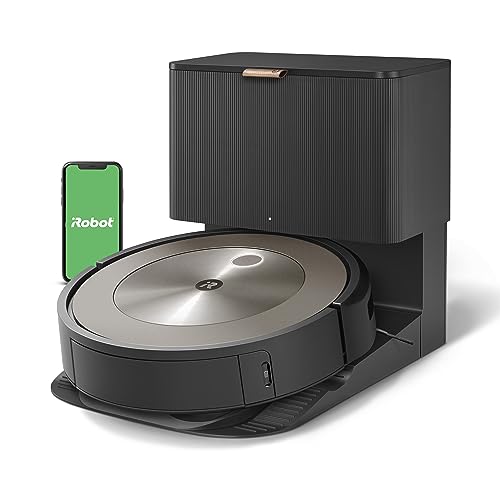
Self-emptying vacuum bases are an excellent accessory to your robot vacuum. It's more hands-free which is especially valuable for those with allergies because touching dirt and pet hair is not a good idea.
It also means that you don't have to empty your bladder and can save you a lot of time. However, it does have its disadvantages.
1. Easy to empty
Many robot vacuum with self empty base vacuums come with dustbins attached to them that must be manually empty after each cleaning cycle. Many people don't mind, however those with allergies or who simply do not have time to do it will appreciate the auto-emptying base. These modern versions of robots are paired with special docking stations that independently clean and empty the debris in their storage bags.
They are less likely to release fine particles of dust into the air. You don't need to be concerned about dust getting on your hands. They're also designed to be more durable and robust with a huge capacity to hold a lot of dirt and debris between emptyings.
The downside of a robot that has a self-emptying base is that it tends to cost more than the ones that do not have one. The price has risen because more manufacturers have this feature, but it's still a significant expense to the total cost. Before making a decision on whether the added feature is worth the cost, it's crucial that you weigh the pros and cons.
It all comes down to what the individual wants and needs. If you suffer from allergies or simply want to reduce time, a vacuum that self-empties its base is well worth the investment. If you're on a strict budget or do not have a lot of space in your home, you might want to choose one that does not have this feature. In that scenario an ordinary robot vacuum is sufficient for most homes. This is particularly helpful in areas that have a lot of messes, such as kitchen floors, as food particles will eventually fall.
2. Less effort on your front
Robot vacuums do an excellent job of cleaning small dust messes and debris from the home. However, the dust bins that are attached to them tend to have small capacities and need to be emptied after every cleaning run. This can become a bit of a chore when used regularly. A self-emptying base for your robot vacuum is a fantastic addition. This feature lets you skip the dustbin and connect the robot directly to a large storage container that it will automatically empty and clean when it is full. This can save you time and effort. It also prevents clogs in the dustbin that can make your robot smell and lose suction.
Self-emptying functions can be beneficial if you own pets or children at home that could reintroduce dirt and crumbs back into the home. It could also be helpful if you have individuals at home with allergies that can be caused by dust or pet hair reintroductions.
The cost of a robotic vacuum that has an automatic base is usually higher than one without, but we believe it's a worthwhile investment. It is recommended to use voice assistants as well as set schedules for the robot. Other important features to look out for include a map function and zones that are not to be visited (older models use strips that you place around areas you'd like your robot to avoid) and real-time tracking of your robot via its application.
While there are lots of excellent options available for a new robot vacuum, the best self-emptying robot vacuum for pet hair option is dependent on your needs and budget. The top robots can also be used as mops, and are able to identify objects to ensure that they don't get caught with wires that can be a pain to get rid of.
3. The less intervention is required
A robotic vacuum cleaner that is able to automatically empty is a great convenience that makes it worth the cost, particularly for those who are busy and have a lot to do. It will reduce the amount of time you need to spend cleaning the bin and keeping it tidy, which means the robot can be used more frequently and effectively in a home.
Most robotic vacuums can create 2D maps of the home's layout using sensors such as lidar or DToF laser (similar to the technology found in autonomous cars) which lets them determine the most efficient route through a home and identify rooms by recognizing furniture types. This allows them to navigate through a room without becoming lost or confused and also allows them to effectively clean corners and other difficult-to-access areas.
However, many entry-level robots require a lot of involvement from their owners, including frequent emptying of the tiny dust bin, detangling brushes and preventing them from overloading their tiny bins, and then spitting debris back out. This can be a nuisance, especially if your home is home to pets or children. A self-emptying robot base can cut down on the amount of maintenance required and also extend the robot's life span.
A lot of self-emptying robots have docks that are sturdy and won't move or nudge when the vacuum is mounted on them. This is a huge benefit for those with limited storage in their homes. The base will be bigger and heavier, but this is an excellent thing. For example, the iRobot Roomba i7 Plus Clean Base has a footprint of 19.4 inches by 16.5 inches, which may be a bit too large for certain areas. This can be a challenge also if you intend to leave the robot and base out of sight.
4. Reduce the effort you put on your back
A vacuum cleaner that empty itself automatically after every cleaning cycle will save you the time and effort required to bend down and empty it after every use. This also means you can use it more often, keeping your home that is much cleaner.
The more hands-free a robotic vacuum is when you're juggling children, work, and other household chores, the more efficient. The problem is that most robotic vacuums have small dust bins that require you to put off your chores in order to empty them. That can be a real hassle, especially for larger homes with high-pile carpeting or furniture that requires careful manipulation to get a good clean.
The iRobot Roomba j7's large base can hold dirt and other debris from multiple cleaning sessions, so you won't need to empty it as frequently as you would with a standard robot. Its navigation is excellent, so it can navigate around cables and objects that would otherwise tangle other robots.
To ensure that your robotic vacuum is as hands-free as it can be You should get rid of any toys, blankets and other clutter. You can program the vacuum to clean during a time when it does not interfere with your routine, such as the last minute of the day or after everyone has gone to bed. If your model doesn't have a boundary strip feature, you can also create a "fling rings" by cordoning off an area using furniture to keep the robot out.
5. Less noise
Most robot vacuums with self-emptying bases have an internal storage system for dirt and debris, instead of dumping them in your garbage. This keeps the dust and dander from being returned to the air, where you can breathe it in. This is particularly important for families with allergy sufferers.
This feature lets you run your robot cleaner more frequently, as it doesn't require you to stop it in mid-cleaning to empty the dust bin. This is a major benefit for parents who are trying to juggle children with work and other household chores and may not have the time to vacuum every day.
The noise that robot vacuums make is one of its biggest disadvantages. This is particularly relevant when it's moving debris from the bot into the storage system. It is loud enough to distract pets and children and could disrupt your schedule of cleaning or robot vacuum With self empty Base cause you to delay running the machine.
A quality robot with self-emptying bases should be quiet enough to operate it quietly in the background without worrying about waking up the kids or disturbing your guests, particularly if you invite them at your home for dinner. Our robot vacuum tests include a noise test, and we look for a vacuum that emits less than 65 decibels when it's working in a typical home setting. The Roborock Miele XV-21 did well in our tests, with a low noise level. Its navigation system is ideal for navigating studio apartments that are cluttered and moving around obstacles that could easily derail robots. It uses lidar mapping to clear specific rooms and create digital keep-out zones however it lacks AI obstacle avoidance. It can be stuck in cables, shoelaces, or socks if you're not careful.
댓글목록
등록된 댓글이 없습니다.