
Five Gourmet Arabica Coffee Beans Projects To Use For Any Budget
페이지 정보
작성자 Gregory 작성일24-12-21 02:20 조회6회 댓글0건관련링크
본문
Gourmet freshly brewed arabica coffee beans Coffee Beans
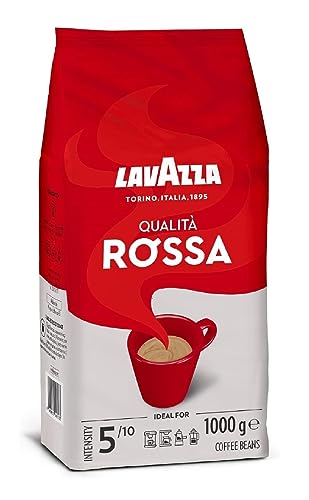 Gourmet coffee is usually blended with arabica beans which is carefully grown and places a priority on flavor over caffeine. They're generally better than regular coffees that have poor quality robusta beans.
Bateel's premium roast is made from 100% Arabica coffee beans that provide a full body and rich aroma. They're Organic Fair Trade Arabica Coffee Beans and fair trade satisfying two important criteria for many coffee drinkers.
Origin
There are two major kinds of premium coffee that dominate the market. The vast majority of available commercially-available beans can be classified as either Arabica or Robusta, and they account for all the flavors that we enjoy in our cups of joe on a daily basis.
Gourmet arabica beans are grown at altitudes that exceed 2500 feet in certain climate zones. The conditions of the environment in these regions have a major influence on the flavor profile. These varieties of coffee beans are also cultivated to attain certain aesthetic qualities, like floral aromas as well as citrusy notes, and chocolatey flavors.
While there are many different coffee varieties that can be grown, gourmet arabica beans tend to offer the most satisfying results. The beans are roasted slowly to bring out their rich flavors. The resultant cup is a pleasure for the senses.
The Arabica plant is the source of these beans. It is also known as the highest-quality coffee species. These beans are sought-after by gourmet and specialty roasters, and can be found in various tasty, unique blends.
These premium beans are grown in a variety of ways, based on the region and its unique growth conditions. They are typically single origin arabica beans. They are harvested from a specific region, and their flavor profiles are influenced largely by the soil, climate and elevation of this region. Kona, blue mountains and Java are among the most well-known varieties.
There are also variations in the type bean, like typica or bourbon. These beans are cultivated to have distinct flavor profiles. These cultivars are the result of various varieties within the coffee tree. They can have various distinctive characteristics, including berry-like flavors, sweet aromas and citrusy notes.
Gourmet arabica coffee beans as well as their distinctive flavor, can be sourced via fair trade or organic certifications. These ensure that the beans have been grown ethically. Professional cupping methods are used to determine the flavor, aroma and acidity of the beans. This ensures each cup of coffee is smooth and balanced flavor that is rich, aromatic, and memorable flavor notes.
Flavor
The attention and care that goes into the cultivation of the finest exclusive arabica coffee beans beans creates a flavor profile that's subtly different from other kinds of coffee. These beans typically contain moderate amounts of caffeine and have a smoother sweeter, softer, and more complex taste than other coffee varieties. They can be flavored with notes of chocolate, caramel fruits, and nuts that will increase the flavor and aroma of any brew.
Arabica (Coffea Arabicica) and Robusta are the two major varieties of coffee beans. The majority of gourmet coffee is made with Arabica beans. However, the highly coveted Indonesian Kopi Luwak variety is actually a Robusta. Robusta beans are more popular and less expensive because they thrive in lower altitudes than Arabica beans.
Gourmet coffee is typically 100 percent Arabica which is responsible for its full-bodied aroma and smooth taste. However it is not the case that all gourmet coffees are made from arabica, and some blends could contain low-quality beans. Always read the label to determine what type of coffee is being purchased.
The arabica plant is home to many varieties and scions. Based on the origin of the plant and the method of cultivation arabica beans can be cultivated to take on a wide range of flavors. They can be a floral, citrusy, or spicy, depending on the region and bean variety. The arabica coffee plant is a delicate and sensitive crop, which means it must be taken care of to avoid getting sick.
Due to this arabica beans tend to be more expensive than other varieties of coffee. Coffee drinkers who are gourmet will love these beans because of their distinctive flavor. There are also rare varieties of arabica, such as kona, blue mountain, and geisha coffee.
Regardless of the kind or variety, gourmet arabica coffee is typically certified by the Specialty Coffee Association to ensure that the highest quality standards are achieved. These certifications cover everything from ethical sourcing to environmental sustainability to the flavor and aroma of the finished cup. They also guarantee that the beans have been roasted correctly and free of defects.
Altitude
In the world of gourmet coffee beans, Arabica (Coffea arabica) is known for superior taste and is the basis for a number of premium blends. The plants grow well at higher altitudes, where warm days and cool nights speed up the development of the fruit, which transforms into the coffee bean. The beans have an intense, complex flavor that is loved by coffee enthusiasts and specialty roasters.
Gourmet coffee beans are grown at higher altitudes than ordinary beans. They are usually at 3,000 feet above sea level or higher. The difference in the climate affects the taste of the beans and also their body and acidity. The higher the altitude, the more intense the flavor and the less acidic.
The soil type and weather conditions in the region of cultivation can affect the overall flavor of the coffee. These elements are referred to as the "terroir" of coffee.
While the majority of high-end cafés and many grocery stores carry only arabica, lower end cafes and even national chains may use the arabica blend with robusta. Look for the Arabica designation on your cup of coffee to get the best results.
High-quality gourmet arabica beans are grown with environmentally sustainable and ethical methods. Fair trade is among the methods to ensure that coffee farmers get a fair price and that the process does not harm the environment.
These certifications, like Rainforest Alliance or Organic, can assist consumers in identifying gourmet arabica beans that meet these standards. Some of these certifications require that the beans are roast in a manner that does not harm the environment.
Gourmet arabica is always hand-picked, which takes more time. The result is a better-quality bean with a stronger flavor, and often a much stronger flavor than other types of coffee. The beans are roasted in small quantities and then packed in a variety of bags that are sealed with heat to keep them fresh. This unique approach to coffee is one of the reasons that the premium arabica is more expensive than other types of coffee. However, the extra cost is worth it for those who enjoy the rich, complex flavors of this special drink.
Roasting
Gourmet arabica coffee beans are so delicious due to the roasting process. During the roasting process, the beans are exposed high temperatures. This triggers a series of chemical reactions that enhance the flavor and yield desirable aroma compounds. The type of roasting -- light roast arabica coffee beans, medium or dark can also impact the aroma and taste of the coffee.
In general, light-roasted gourmet arabica beans are known for their vibrant acidity and subtle flavors. The aromas may be citrusy, floral or fruity. Dark-roasted beans are more robust and have bolder flavors, with hints of caramel. The process of roasting is an important element of the coffee making experience, since it determines the way each cup is enjoyed.
When it comes to coffee species, there are two primary types that are Arabica and Robusta. The latter is used in the majority of commercial coffees, such as instant coffee. Coffee lovers who are gourmet will prefer the first variety because of its distinctive aroma and flavor profiles.
Due to the increased demand for exceptional coffee, many producers have begun to label their coffees with terms such as "gourmet," "specialty," and "arabica." This designation is intended to signal the quality of these coffees.
Gourmet arabica coffee beans are grown at high altitudes and this is the reason for their distinctive flavor. Depending on the region where they are grown gourmet arabica beans could feature citrusy, floral, or fruity notes. These nuances are also dependent on the beans' source process, method of processing, and roasting level.
When the jar of beans that have been roasted is opened, the flavor will diminish rapidly if it's improperly stored. To prevent this from happening, store the beans in an airtight coffee container and place it in a dark, shady area. The ideal place to store coffee is away from moisture, direct sun, and heat. These elements can deteriorate the quality of the coffee. When properly stored, gourmet arabica coffee beans can last up to 12 months before being ready for your morning cup of coffee.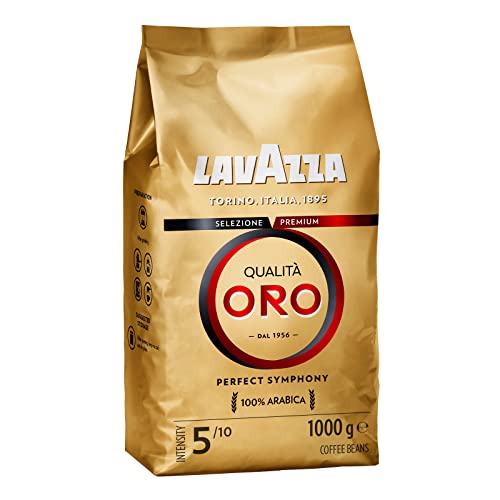
Gourmet coffee is usually blended with arabica beans which is carefully grown and places a priority on flavor over caffeine. They're generally better than regular coffees that have poor quality robusta beans.Bateel's premium roast is made from 100% Arabica coffee beans that provide a full body and rich aroma. They're Organic Fair Trade Arabica Coffee Beans and fair trade satisfying two important criteria for many coffee drinkers.
Origin
There are two major kinds of premium coffee that dominate the market. The vast majority of available commercially-available beans can be classified as either Arabica or Robusta, and they account for all the flavors that we enjoy in our cups of joe on a daily basis.
Gourmet arabica beans are grown at altitudes that exceed 2500 feet in certain climate zones. The conditions of the environment in these regions have a major influence on the flavor profile. These varieties of coffee beans are also cultivated to attain certain aesthetic qualities, like floral aromas as well as citrusy notes, and chocolatey flavors.
While there are many different coffee varieties that can be grown, gourmet arabica beans tend to offer the most satisfying results. The beans are roasted slowly to bring out their rich flavors. The resultant cup is a pleasure for the senses.
The Arabica plant is the source of these beans. It is also known as the highest-quality coffee species. These beans are sought-after by gourmet and specialty roasters, and can be found in various tasty, unique blends.
These premium beans are grown in a variety of ways, based on the region and its unique growth conditions. They are typically single origin arabica beans. They are harvested from a specific region, and their flavor profiles are influenced largely by the soil, climate and elevation of this region. Kona, blue mountains and Java are among the most well-known varieties.
There are also variations in the type bean, like typica or bourbon. These beans are cultivated to have distinct flavor profiles. These cultivars are the result of various varieties within the coffee tree. They can have various distinctive characteristics, including berry-like flavors, sweet aromas and citrusy notes.
Gourmet arabica coffee beans as well as their distinctive flavor, can be sourced via fair trade or organic certifications. These ensure that the beans have been grown ethically. Professional cupping methods are used to determine the flavor, aroma and acidity of the beans. This ensures each cup of coffee is smooth and balanced flavor that is rich, aromatic, and memorable flavor notes.
Flavor
The attention and care that goes into the cultivation of the finest exclusive arabica coffee beans beans creates a flavor profile that's subtly different from other kinds of coffee. These beans typically contain moderate amounts of caffeine and have a smoother sweeter, softer, and more complex taste than other coffee varieties. They can be flavored with notes of chocolate, caramel fruits, and nuts that will increase the flavor and aroma of any brew.
Arabica (Coffea Arabicica) and Robusta are the two major varieties of coffee beans. The majority of gourmet coffee is made with Arabica beans. However, the highly coveted Indonesian Kopi Luwak variety is actually a Robusta. Robusta beans are more popular and less expensive because they thrive in lower altitudes than Arabica beans.
Gourmet coffee is typically 100 percent Arabica which is responsible for its full-bodied aroma and smooth taste. However it is not the case that all gourmet coffees are made from arabica, and some blends could contain low-quality beans. Always read the label to determine what type of coffee is being purchased.
The arabica plant is home to many varieties and scions. Based on the origin of the plant and the method of cultivation arabica beans can be cultivated to take on a wide range of flavors. They can be a floral, citrusy, or spicy, depending on the region and bean variety. The arabica coffee plant is a delicate and sensitive crop, which means it must be taken care of to avoid getting sick.
Due to this arabica beans tend to be more expensive than other varieties of coffee. Coffee drinkers who are gourmet will love these beans because of their distinctive flavor. There are also rare varieties of arabica, such as kona, blue mountain, and geisha coffee.
Regardless of the kind or variety, gourmet arabica coffee is typically certified by the Specialty Coffee Association to ensure that the highest quality standards are achieved. These certifications cover everything from ethical sourcing to environmental sustainability to the flavor and aroma of the finished cup. They also guarantee that the beans have been roasted correctly and free of defects.
Altitude
In the world of gourmet coffee beans, Arabica (Coffea arabica) is known for superior taste and is the basis for a number of premium blends. The plants grow well at higher altitudes, where warm days and cool nights speed up the development of the fruit, which transforms into the coffee bean. The beans have an intense, complex flavor that is loved by coffee enthusiasts and specialty roasters.
Gourmet coffee beans are grown at higher altitudes than ordinary beans. They are usually at 3,000 feet above sea level or higher. The difference in the climate affects the taste of the beans and also their body and acidity. The higher the altitude, the more intense the flavor and the less acidic.
The soil type and weather conditions in the region of cultivation can affect the overall flavor of the coffee. These elements are referred to as the "terroir" of coffee.
While the majority of high-end cafés and many grocery stores carry only arabica, lower end cafes and even national chains may use the arabica blend with robusta. Look for the Arabica designation on your cup of coffee to get the best results.
High-quality gourmet arabica beans are grown with environmentally sustainable and ethical methods. Fair trade is among the methods to ensure that coffee farmers get a fair price and that the process does not harm the environment.
These certifications, like Rainforest Alliance or Organic, can assist consumers in identifying gourmet arabica beans that meet these standards. Some of these certifications require that the beans are roast in a manner that does not harm the environment.
Gourmet arabica is always hand-picked, which takes more time. The result is a better-quality bean with a stronger flavor, and often a much stronger flavor than other types of coffee. The beans are roasted in small quantities and then packed in a variety of bags that are sealed with heat to keep them fresh. This unique approach to coffee is one of the reasons that the premium arabica is more expensive than other types of coffee. However, the extra cost is worth it for those who enjoy the rich, complex flavors of this special drink.
Roasting
Gourmet arabica coffee beans are so delicious due to the roasting process. During the roasting process, the beans are exposed high temperatures. This triggers a series of chemical reactions that enhance the flavor and yield desirable aroma compounds. The type of roasting -- light roast arabica coffee beans, medium or dark can also impact the aroma and taste of the coffee.
In general, light-roasted gourmet arabica beans are known for their vibrant acidity and subtle flavors. The aromas may be citrusy, floral or fruity. Dark-roasted beans are more robust and have bolder flavors, with hints of caramel. The process of roasting is an important element of the coffee making experience, since it determines the way each cup is enjoyed.
When it comes to coffee species, there are two primary types that are Arabica and Robusta. The latter is used in the majority of commercial coffees, such as instant coffee. Coffee lovers who are gourmet will prefer the first variety because of its distinctive aroma and flavor profiles.
Due to the increased demand for exceptional coffee, many producers have begun to label their coffees with terms such as "gourmet," "specialty," and "arabica." This designation is intended to signal the quality of these coffees.
Gourmet arabica coffee beans are grown at high altitudes and this is the reason for their distinctive flavor. Depending on the region where they are grown gourmet arabica beans could feature citrusy, floral, or fruity notes. These nuances are also dependent on the beans' source process, method of processing, and roasting level.
When the jar of beans that have been roasted is opened, the flavor will diminish rapidly if it's improperly stored. To prevent this from happening, store the beans in an airtight coffee container and place it in a dark, shady area. The ideal place to store coffee is away from moisture, direct sun, and heat. These elements can deteriorate the quality of the coffee. When properly stored, gourmet arabica coffee beans can last up to 12 months before being ready for your morning cup of coffee.
댓글목록
등록된 댓글이 없습니다.