
The Most Common Garden Gas Patio Heater Mistake Every Newbie Makes
페이지 정보
작성자 Ryan Penton 작성일24-11-04 08:45 조회12회 댓글0건관련링크
본문
 Garden Gas Patio Heater
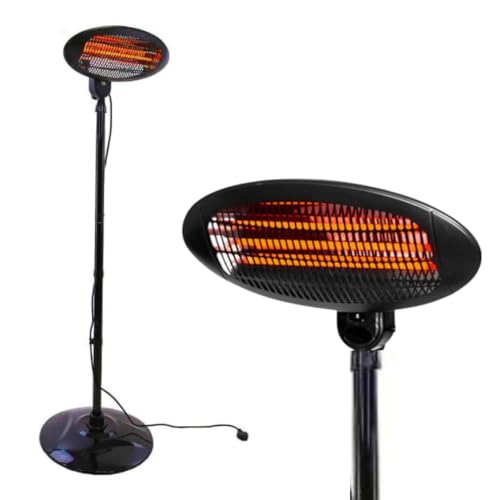 In contrast to electric heaters, gas patio heater uk patio heaters generate heat that radiates out to a wider area. They can be powered by propane or natural gas and are available in either free-standing or tabletop designs.
Pyramid-style models connect to a home's natural gas line while dome-top heaters run on propane. They can be permanent fixtures however they also require ongoing maintenance and repairs.
Low running costs
Gas patio heaters are an excellent option to add warmth to your outdoor area. Radiant heating is used to warm up the area in the form of a circular pattern. The flames create a reflective silver surface which then reflects infrared light toward the area to be heated.
Selecting the best gas patio heater may be difficult, but you should be aware of a few things before purchasing one. First, you need to choose the kind of fuel you want. Then, you can choose the best style for your needs. patio gas heaters are available in tabletop, wall-mounted, and freestanding models. Some models are available in different sizes and are compatible with multiple fuel sources.
The fuel type you select will determine the operating cost of your patio heater. A natural gas patio heater, for example, will cost less to run than LPG or propane heaters since it is connected to your home's gas line. However, it's not as portable and could be more expensive to set up than a propane patio heater.
Propane gas heaters for patios are portable, and make use of small refillable cylinders. These are more affordable than other heaters for patio use and provide an average of 9,000 to 11,000 BTUs. They come with a dome that helps focus the heat downwards which makes them ideal for seating in intimate spaces. However, they require substantial clearance from any combustible material and need to be replaced frequently.
Electric patio heaters can be a good choice for those who don't have gas lines. They are simple to set up and operate and do not require ventilation. They are not as efficient as other heaters for patios, however they can be an alternative to wood-burning fireplaces.
When looking at different patio heaters, it is important to take into consideration the price as well as the fuel source and the frequency of the use. The best option for your patio will be determined by your budget and the amount of time you spend outdoors. Certain gas patio heaters feature adjustable heat settings, which allow you to manage the amount of heat output. This feature makes them a fantastic choice for both residential and commercial spaces.
Easy to install
A patio heater is an investment that pays for itself in the first year you make use of it by increasing the time guests can enjoy your outdoor space. It can also help your guests feel more comfortable during social occasions and make your patio usable throughout the year. You can choose from a range of styles, colors and shapes that will suit your budget and style. There are models that don't require any professional installation and are easy to install.
A gas patio heater can be powered by propane, natural gas patio heater outdoor or electricity. Propane patio heats are the most common because they don't require professional installation, and they run off the standard 20-pound tank of propane gas patio heater. Some models can be moved around the outdoor area if needed. These heaters are cheaper initially, but they will cost more to run since you must replace the propane tank constantly.
To determine the right heater for your patio, you'll need to be aware of the amount of heat needed to keep warm. This is determined by the space's size and whether it's covered or not. A general rule is that a 1,000-square-foot space will require about 10 BTUs per square foot to remain warm.
You should also consider the weather where you live when choosing a patio heater. The climate can influence your heating needs. A covered patio in a colder climate will require more heating than one that is exposed in a warmer climate.
You should also choose a heater for your patio that has safety features to protect your family and guests. It is recommended to choose one with an anti-tip switch that turns off the heater in case it tips over to keep you and your guests safe. Other security features include oxygen sensors as well as overfill protection devices. Check the AFUE rating (annual fuel usage efficiency) of your propane patio heater in order to save on fuel costs.
Electric patio heaters are a great option because they do not emit any emissions. However, they do need to be connected to an electrical outlet, and might require professional installation. Some models can be permanently attached to walls, or other structures. Others are freestanding. They are available in different designs, from glass to metal. You can even opt for a recessed model that mounts directly into the ceiling of your outdoor living space.
Long life
A gas-powered garden heater is a fantastic addition to any business or home that provides warmth and comfort in a manner that matches the decor. They are popular in pubs and restaurants, where customers will choose tables that are more comfortable.
A gas buying patio gas heater is designed to have a long life and can be used year after year. They are easy to operate and come in a variety of styles to suit different needs. The type of heater you select will depend on the size of space you want heated, your budget and whether you want an e-bike or a permanent unit. The most popular types are tabletop, hung and standing models. Some are powered by gas, and others can connect to your natural gas line or supply of gas.
When selecting a gas patio heater, be sure to consider the BTU (British thermal unit) rating. The more powerful the BTU rating, the more heat the heater will produce. It is also essential to think about the number of people who will be using the heater, as this will affect how long it will last. Select a model with a safety shutoff and a solid foundation if you have pets or children. Some models have an anti-tipping or weight bladder mechanism to stop the heater from tipping over.
If you're seeking a permanent solution for your issue, select one that is CSA, UL, or ETL certified. Some models have a tilt-switch that will shut off the gas valve when it goes over a certain angle. This helps keep you and your guests safe. You should also invest in an extinguisher for your portable in the event of an emergency.
You can also choose an option that uses infrared heating which is ideal for large outdoor areas as it consumes less fuel. These models are available in natural gas and propane varieties however, they might require a specialized installation for optimal results. The size of the space you want to heat will determine which one is the best for you.
It is also important to decide whether you want a permanent natural gas or propane model. Permanent natural gas patio heaters are connected to the natural gas line inside your home, while portable propane models run from the propane tank in a small size. Both come in a variety of sizes, including 20-pounders 30-pounders and larger.
Safety
A garden gas patio heater is a fantastic addition to any outdoor space, but it is crucial to think about the safety aspect when selecting one. Carbon monoxide is released by propane and natural gas heaters for patios. It can be fatal if inhaled. Be sure to make use of your outdoor heater outdoors and not in a closed area, and ensure it's completely vented. Examine the electrical cords and propane tank for damage or wear. It is an excellent idea to keep an extinguisher near you in the event of a fire.
Gas patio heaters are typically a better choice for larger spaces, as they provide more heat than electric models and can be easily turned on and off using a remote control or a timer. They do not shut down automatically when the circuit is overwhelmed unlike electric models. They also cost more and require regular refills.
The best way to find the right heater for your space is to examine its output of heat. The majority of manufacturers provide this information in BTUs and a higher number means more heat. It is important to keep in mind that the amount of heat produced by a heater will depend on the location of the heater as well as the temperature in the surrounding environment.
Also, consider the fuel source and the size of the cylinder. Some portable propane patio heaters operate with smaller canisters available at hardware stores. The latter option may be more economical if you frequently entertain guests.
Make sure that your heater is CSA-rated for safety. This means that it has been tested by an independent third party and is in compliance with strict safety standards. The CSA logo is usually printed on the label of the heater.
If you're considering purchasing a gas patio heater, be sure to follow the manufacturer's guidelines when setting the heater up and using it. Keep pets and children away from the heater when it's in operation. Be aware that strong winds can cause your heater to tip over. It is recommended to put it in an area with good wind protection.
댓글목록
등록된 댓글이 없습니다.